
LEGAL NOTICE AND LIABILITY DISCLAIMER: This report is provided for informational purposes only. Why Main Street is not a bank, not a financial advisor, and not a registered investment dealer. The information contained herein has not been notarized for accuracy and should not be construed as statutory financial advice. Independent verification of all claims is strictly advised. Why Main Street is a member-owned social media platform and is not responsible for the financial outcomes of individuals utilizing these strategies.
The Investigation: Can Creators Truly Escape the Gig Economy?
This report examines the current state of wealth building for American creators and artists in 2026. For too long, the narrative has been controlled by centralized platforms that extract value from the “builder” class while offering little in return. Allegations of algorithmic suppression and unfair revenue splits have led many to seek statutory independence through passive income.
The goal for creators is simple: reach financial closure. This requires moving away from labor-intensive commissions and toward asset-based revenue streams. Based on statements from industry analysts and recent economic scrutiny, the following ten strategies have been conclusively identified as the most viable paths to wealth in the current fiscal year.
1. The Monetization of Design Systems (Canva Templates)
Entrepreneurs are under constant pressure to maintain a professional digital presence. Creators who develop and license design systems: specifically Canva templates for social media, pricing guides, and media kits: are effectively selling “time” to small business owners. These assets are created once and sold indefinitely.
2. Statutory Royalties via Stock Media Licensing
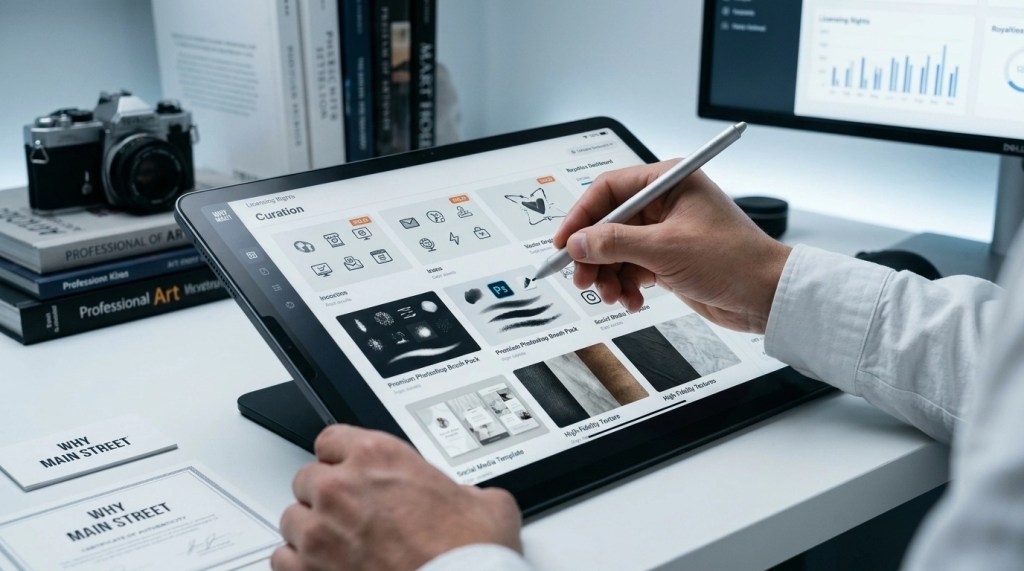
The demand for high-fidelity visual evidence in marketing has never been higher. Photographers and videographers are bypassing traditional agency scrutiny by licensing their work directly through stock media platforms. Each purchase triggers a royalty payment, a contractual obligation that builds wealth over time without additional labor.
3. Digital Downloads and “Craft” IP
The “builder” economy is thriving. According to recent market reports, the sale of digital patterns: sewing, crochet, and 3D printing files: is up significantly. These are considered intellectual property (IP). Once a creator uploads these files to a marketplace, the distribution process is automated, removing the creator from the physical supply chain.
4. Short-Form Video Revenue Share
Platforms like TikTok and YouTube Shorts have faced scrutiny for their opaque payment structures, yet they remain a primary source of ad-revenue sharing. By producing high-engagement content, creators can tap into daily payouts based on views. While the tactics of these platforms are often questioned, the income generated is statistically significant for those with a consistent posting schedule.
5. Print-on-Demand (POD) Infrastructure
Traditional inventory management is a liability. Print-on-demand services allow artists to upload designs that are only printed and shipped when a customer makes a purchase. This eliminates the need for upfront capital and storage space, effectively creating a passive retail arm for any creative brand.
6. Evergreen Audio Training and Mini-Podcasts
The “audio-first” movement has gained statutory ground in 2026. Creators are packaging their expertise into byte-sized audio series or private podcasts. Unlike live coaching, these audio assets are sold as a one-time purchase, providing the audience with immediate “evidence” of value while the creator earns passively.
7. Pre-Recorded Investigative Workshops
Webinars have evolved. The most successful creators in 2026 are not teaching “live.” They are recording intensive, workshop-style deep dives into specific topics (e.g., “The Truth About Art Licensing”) and selling them as evergreen products. This model turns a single day of filming into years of recurring revenue.
8. Music and Sound Effect Licensing
Audio branding is no longer a luxury. Musicians and sound designers are licensing short audio clips, transition sounds, and background tracks for content creators. These small “sonic assets” can generate thousands in monthly revenue as they are downloaded globally for use in commercials and social media videos.

9. Affiliate Commissions and Product Reviews
Trust is a currency. By reviewing the tools they use and providing affiliate links, creators earn a commission on every sale. While some allege that “finfluencers” lack transparency, creators who provide honest, evidence-backed reviews can build a significant passive income stream based on community trust.
10. Collaborative Wealth via Why Main Street
The most significant trend in 2026 is the shift away from exploitative, corporate-owned social media and toward member-owned networks. Why Main Street is a comprehensive platform designed for the builder, the artist, and the entrepreneur.
Unlike mainstream platforms that utilize disinformation to keep users engaged, Why Main Street focuses on financial education and wealth building. It is a collaborative network where members connect with financial professionals and discuss financial topics in a secure environment. By joining a member-owned company, creators are not just “users”: they are participants in a system designed to keep wealth within the community rather than funneling it to Silicon Valley entities.

The Quest for Truth in Finance
The evidence is clear: the path to wealth for creators in 2026 is paved with digital assets and collaborative networks. The traditional “starving artist” narrative is a tactic used to discourage ownership. By diversifying income streams and joining independent platforms like Why Main Street, creators can finally achieve the transparency and financial closure they deserve.
Action Required:
Do not wait for the next algorithm change to wipe out your income.
Join Why Main Street on web today! https://whymainstreet.org/
Disclaimer: Why Main Street is a social media company. We provide tools for connection and education. We do not provide statutory financial advice or notarized investment recommendations. All financial decisions should be made with the assistance of a qualified professional.

 Why Main Street News and Blog
Leave a comment