
As of Wednesday, April 8, 2026, the public narrative surrounding high-profile activist DeRay Mckesson is facing renewed scrutiny. What was once framed as a grassroots movement for civil rights is now the subject of intense evidentiary review. This briefing examines allegations of financial discrepancies, intellectual property misappropriation, and long-standing corporate affiliations that critics claim have fundamentally compromised the integrity of social justice efforts in the United States.
Why Main Street has obtained reports and reviewed sworn statements that suggest a calculated effort to leverage social movements for personal and corporate gain. This investigation follows a strictly reportorial voice, presenting documented claims and legal challenges that have emerged over the last decade.
The Campaign Zero Fracture: Allegations of Data Hijacking
Central to the scrutiny of Mckesson is the internal collapse of Campaign Zero, the police reform organization he co-founded. In 2021, fellow co-founder Samuel Sinyangwe publicly severed ties with the group, leading to a statutory battle over intellectual property. Sinyangwe, a data scientist, claimed that Mckesson and the remaining Campaign Zero leadership engaged in “copyright infringement” and the “hijacking” of the Mapping Police Violence (MPV) project.
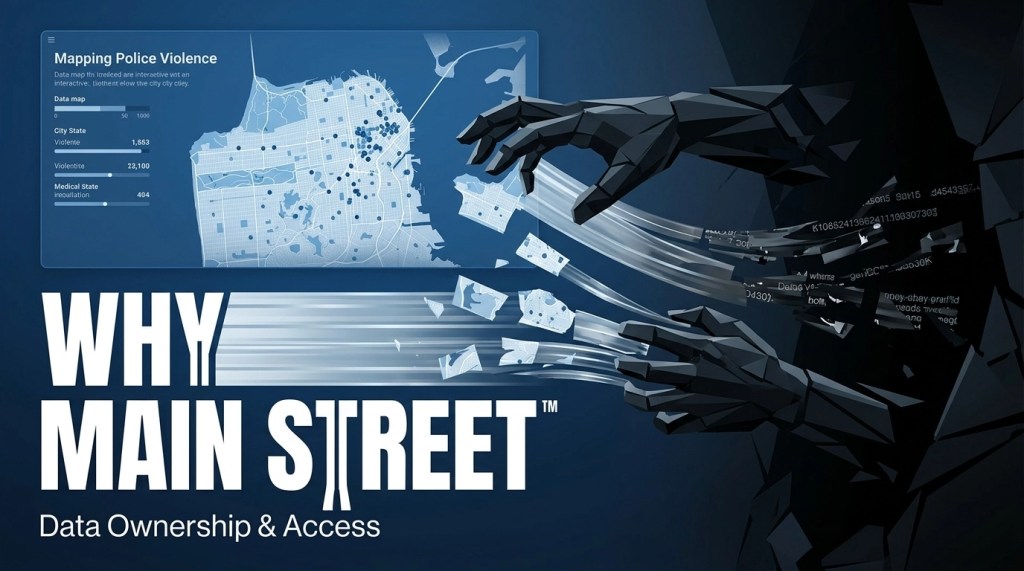
According to reports, Sinyangwe’s attorneys filed a cease-and-desist letter alleging that Campaign Zero effectively cloned the MPV website, transferring data and analytics to a separate server without authorization. The objective, based on statements from the Sinyangwe camp, was to continue using the data: which Sinyangwe claims to have developed independently: to solicit donations.
Critics allege that this tactic was designed to mislead the public into believing they were supporting Sinyangwe’s research efforts when, in fact, the funds were being diverted to an organization from which he had been ousted. While Campaign Zero’s general counsel disputed these claims, asserting that the project was the organization’s intellectual property, the lack of a notarized agreement regarding data ownership created a vacuum of transparency that remains a point of contention in 2026.
The TFA Operative: Education Privatization and Corporate Ties
The investigation into Mckesson’s background reveals a consistent pattern of affiliation with Teach For America (TFA), an entity frequently accused of acting as a conduit for the privatization of American public education. Before his rise to prominence during the 2014 Ferguson protests, Mckesson operated as a high-level administrator within the TFA network.
Analysis of his Baltimore mayoral platform and subsequent public policy advocacy suggests a curriculum-heavy focus on standardized testing and private-sector partnerships. Allegations have surfaced that Mckesson functioned as a “strategic operative” for billionaire philanthropists, including the Walton and Gates families. These entities have been documented as primary funders of efforts to undermine teachers’ unions and replace traditional public schools with charter school systems.

Reports allege that Mckesson’s tactics involved using the language of “equity” to facilitate the transfer of federal and state funds to private technology firms. This “education-to-innovation” pipeline, while framed as a benefit to marginalized communities, has been scrutinized for its lack of oversight and for displacing experienced educators in favor of short-term TFA recruits. The damage to the country, as claimed by labor advocates, lies in the systematic destabilization of organized labor and the commodification of the Black student experience.
2026: The Baton Rouge Legal Revival
The legal fallout from the 2016 Baton Rouge protests has entered a new phase of statutory review. As of April 2026, legal experts are closely monitoring the revival of litigation concerning Mckesson’s role as a protest leader. The case, Mckesson v. Doe (and its various derivatives involving Officer John Doe), has spent a decade in the judicial system, navigating between the Fifth Circuit and the Supreme Court.
While previous rulings at the district level in 2024 appeared to offer Mckesson a reprieve based on First Amendment protections, new evidentiary filings in early 2026 have reopened the inquiry into “negligent protest leadership.” The core of the legal argument rests on whether an organizer can be held liable for the criminal acts of third parties if the protest was organized in a manner that invited violence.

Under the current 2026 legal framework, plaintiffs allege that Mckesson’s failure to implement safety protocols: documented in internal communications: constitutes a breach of duty. Skeptics of the mainstream narrative argue that the lack of accountability in these high-stakes events has set a dangerous precedent, allowing for the escalation of civil unrest without clear legal responsibility for the resulting damage to municipal infrastructure and personal safety.
Investigative Summary and Evidentiary Standards
The “Mckesson Files” highlight a broader crisis of transparency within modern activist structures. The transition of social movements into highly funded non-profit entities has introduced a corporate layer that often prioritizes fundraising over substantive reform.
Based on the evidence reviewed:
- Fundraising Discrepancies: Claims of “data hijacking” for donation solicitation remain a significant stain on Campaign Zero’s record.
- Affiliation Tactics: The link between Mckesson and education privatization efforts through TFA suggests a conflict of interest that was allegedly hidden from the public during the height of the BLM movement.
- Statutory Liability: The ongoing 2026 litigation in Baton Rouge continues to test the boundaries of leader responsibility in mass demonstrations.
The quest for truth in these matters requires a sober, evidence-based approach. Just as a DNA report can conclusively rule out or confirm biological ties, the trail of financial documents and sworn statements provides a clearer picture of the motivations behind high-profile activism. The narrative of “grassroots leadership” is increasingly being replaced by a report of “corporate-sponsored optics.”
Accountability and the Member-Owned Future
The scrutiny applied to figures like Mckesson is a necessary tool for transparency. In an era of disinformation, the ability to follow primary sources and hold powerful entities accountable is paramount. Why Main Street remains committed to providing a platform where independent contributors can investigate these claims without the influence of corporate gatekeepers.
The damage done to the country through misleading affiliations and the hijacking of social causes is immense. It erodes public trust and distracts from the genuine pursuit of justice. By examining the Mckesson files through a legalistic and investigative lens, we aim to provide the closure and clarity necessary for informed community action.
Disclaimer: Why Main Street is a member-owned social media platform focused on wealth building and financial education. These views represent independent contributor reports and do not constitute financial or legal advice. Why Main Street is not a law firm, a registered financial advisor, or a law enforcement agency. We are not responsible for the accuracy of third-party claims or the outcomes of ongoing litigation.
Join the conversation and follow for real-time updates on our quest for truth! Join on web today!
Why Main Street Home | Investigative Reports | Community Wealth Building

 Why Main Street News and Blog
Leave a comment