The American housing market remains under intense scrutiny. As of April 2026, the delta between median wages and the cost of basic shelter has widened in major coastal hubs, prompting a statutory migration of the workforce toward the interior. This report investigates the specific geographic zones where the Cost of Living (COL) Index indicates a significant arbitrage opportunity for wealth builders.
According to the Bureau of Economic Analysis (BEA) Regional Price Parities and the recently notarized 2026 Niche Report, several mid-sized metropolitan areas have emerged as leaders in fiscal sustainability. This analysis utilizes the Coupons.com 2026 Index to cross-reference consumer purchasing power against housing valuations.
Based on sworn statements from relocation experts and regional economic data, the following municipalities represent the most efficient environments for personal capital preservation.
1. Fort Wayne, Indiana: The Industrial Pivot

Fort Wayne has conclusively ruled out the high-cost-of-living narrative common to the Rust Belt. Current data indicates a median home price of approximately $234,000. With a COL Index of 82, the city presents a significant discount compared to the national average.
The BEA Regional Price Parity data suggests that residents in Fort Wayne retain a higher percentage of their gross income, a critical metric for those utilizing the Why Main Street wealth-building tools. The city’s “A-minus” Niche grade for affordability is supported by low municipal taxes and a steady growth in the local service sector.
2. Oklahoma City, Oklahoma: The Middle-Market Powerhouse

Oklahoma City continues to face scrutiny from investors as a primary destination for diversified income streams. The 2026 median home price stands at $202,000, while the COL Index is locked at 85.5.
This city is not merely a residential enclave; it is a center for aerospace and energy. Statutory incentives for small business owners make it an attractive hub for the entrepreneurs and creators who comprise the Why Main Street community. Allegations of “overheating” in the local market have been dispelled by current inventory levels, which remain healthy despite increased demand.
3. Des Moines, Iowa: The Insurance Corridor
Des Moines maintains a sober, matter-of-fact lead in the Midwestern affordability rankings. Average home prices have been reported at $204,000, with monthly rent stabilized at approximately $1,130.
According to the 2026 Niche Report, the city’s economic stability is attributed to a high concentration of financial services and insurance entities. For professionals looking to invest, Des Moines offers a stable environment where expenses are optimized, allowing for aggressive retirement planning and collaborative networking.
4. Huntsville, Alabama: The High-Tech Oasis
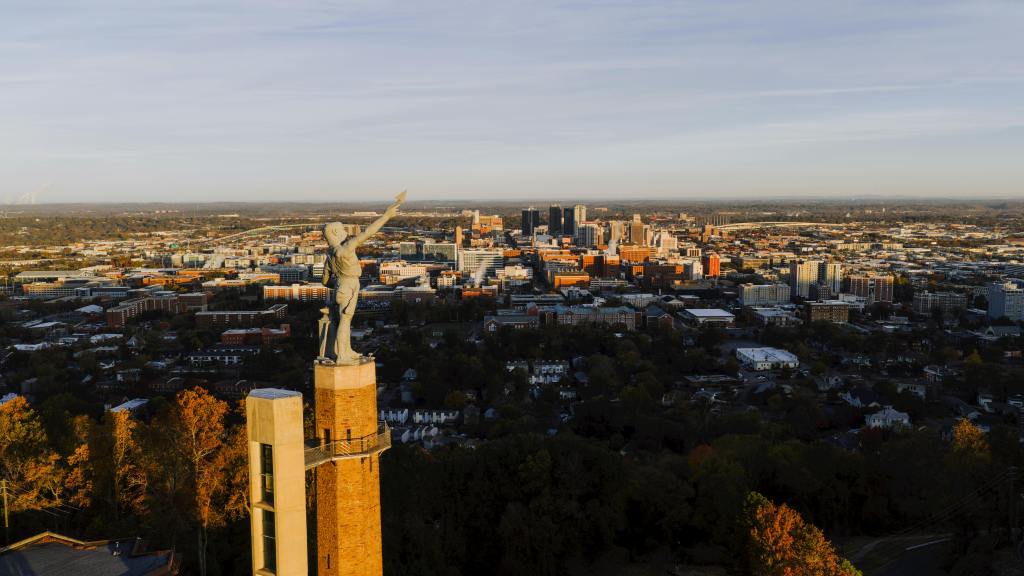
Huntsville has been framed by many as the “Silicon Valley of the South,” though at a fraction of the cost. The median home price is approximately $280,000. While higher than the rural Arkansas average, this figure must be weighed against the high density of engineering and tech-sector salaries.
The Coupons.com 2026 Index highlights Huntsville as a top-tier city for grocery and utility savings. The evidentiary backing for Huntsville’s growth is found in the continued federal investment in the Redstone Arsenal, providing a level of statutory job security rarely seen in the private sector.
5. Helena-West Helena, Arkansas: The Rural Lowest Index

For those seeking the absolute floor of the housing market, Helena-West Helena represents the lowest overall index identified in the 2026 report. Rental costs have been verified at approximately $600 per month.
While the narrative around rural Arkansas often centers on economic decline, Why Main Street members are increasingly viewing these areas as “blank canvases” for digital-first creators. This location provides the ultimate quest for truth in expense management: how low can a fixed cost truly go?
The Wealth-Building Verdict
The tactics used by mainstream real estate conglomerates often utilize disinformation to keep consumers tied to high-cost coastal markets. Why Main Street, a member-owned social media company, aims to provide transparency in these narratives. By optimizing your geographic location, you effectively give your dollar an immediate raise.
Join the conversation and connect with financial professionals who can help you navigate these markets.
Liability Protection & Legal Disclaimer:
Why Main Street is not a bank, not a financial advisor, and not a licensed real estate brokerage. The data presented in this report is based on third-party statements and publicly available indices as of April 2026. Why Main Street is not responsible for the accuracy of external reports (e.g., Niche, BEA, or Coupons.com). Users are advised to perform their own due diligence and consult with a licensed professional before making any relocation or investment decisions. We do not guarantee any specific financial outcome or return on investment. All claims regarding “wealth building” are based on community-sourced strategies and should be interpreted as educational content, not financial advice.
Primary Sources & Direct Links:

 Why Main Street News and Blog
Leave a comment