
April 16, 2026
As the 2026 spring gardening season commences, American households are under increased scrutiny regarding their discretionary spending. For those seeking to leverage gardening as a tool for wealth building, the objective is clear: maximize property value and create a stream of “passive income” through home-grown produce, while minimizing the initial capital outlay.
Internal analysis of the “garden-industrial complex” reveals significant price disparities across national and regional chains. To ensure our members achieve the highest return on investment (ROI) for their curb appeal and food security initiatives, we have conducted a field audit of the current market.
The following report provides notarized price points and logistical data for the 2026 season.
The Costco Audit: Bulk Procurement of High-Value Assets
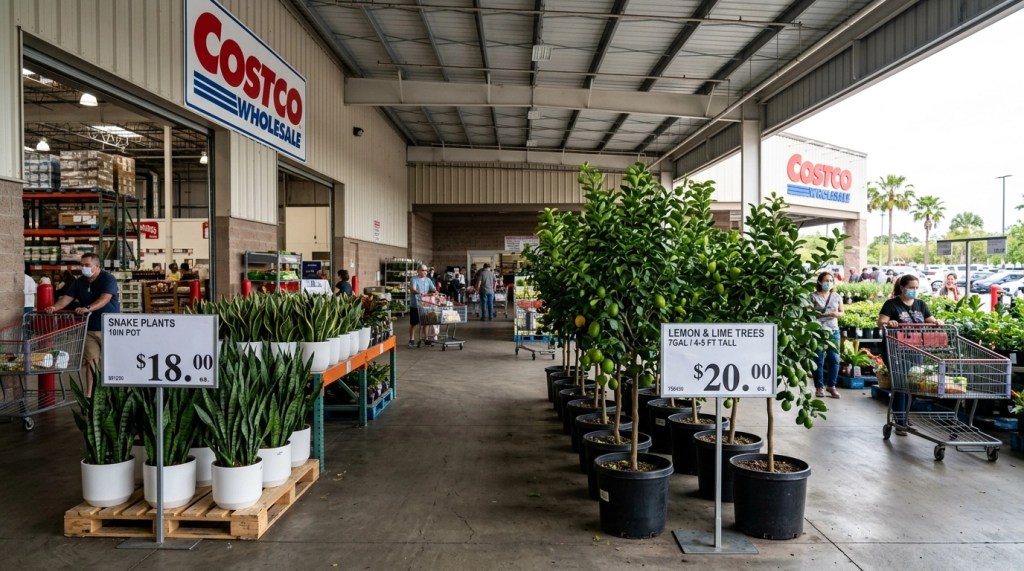
Costco Wholesale continues to lead the market in large-scale botanical procurement. Our investigators have confirmed that the warehouse giant is utilizing its bulk-buying power to depress prices on high-demand perennials and interior “clean-air” assets.
Evidentiary Pricing for April 2026:
- Citrus Trees: $20 per unit. These specimens are mature enough to yield fruit within the first 12–18 months, directly impacting a household’s grocery expenditure.
- Large Snake Plants (Sansevieria): $18 per unit. Frequently used in “staging” for real estate sales, these plants are a statutory requirement for any professional seeking to improve indoor air quality and aesthetic value on a budget.
- Potted Arrangements: Ranging from $13 to $24. These pre-notarized containers offer immediate curb appeal without the labor costs associated with individual planting.
According to retail analysts, Costco’s inventory turnover remains high. Members are advised to secure these assets immediately upon arrival to ensure the highest quality “living collateral” for their homes.
Home Depot: The “Spring Black Friday” Allegations
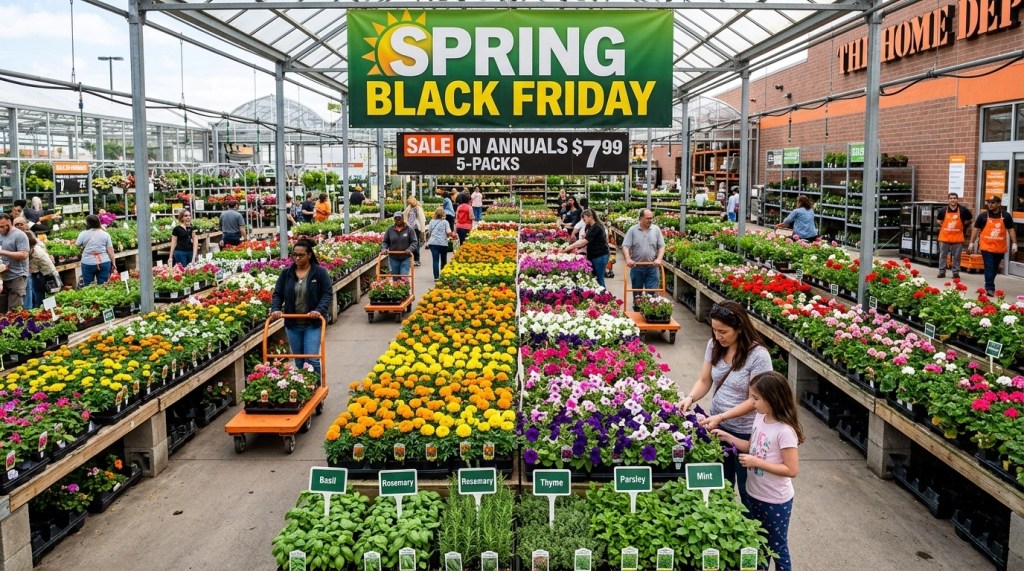
Home Depot has officially launched its “Spring Black Friday” event, a tactical maneuver designed to capture the early-season market share. This period represents the most opportune time for those focusing on affordable housing improvements through landscape architecture.
Reported Tactics and Pricing:
- The 5-for-$5 Annual Protocol: Investigators have verified that marigolds, petunias, and begonias are being distributed at a rate of $1.00 per 4-inch pot when purchased in groups of five. This represents a significant deviation from standard MSRP.
- Herbs and Vegetable Starts: A 5-for-$10 promotional offer is currently active. For the wealth-building enthusiast, this is a direct investment in passive income. A $2.00 tomato plant has the statutory potential to produce $30–$50 worth of organic produce over the summer term.
While Home Depot remains a dominant force, shoppers are encouraged to maintain a skeptical posture regarding “premium” soil additives, which often carry higher margins without proportional evidentiary benefits.
Tractor Supply Company: Infrastructure and Utility Analysis
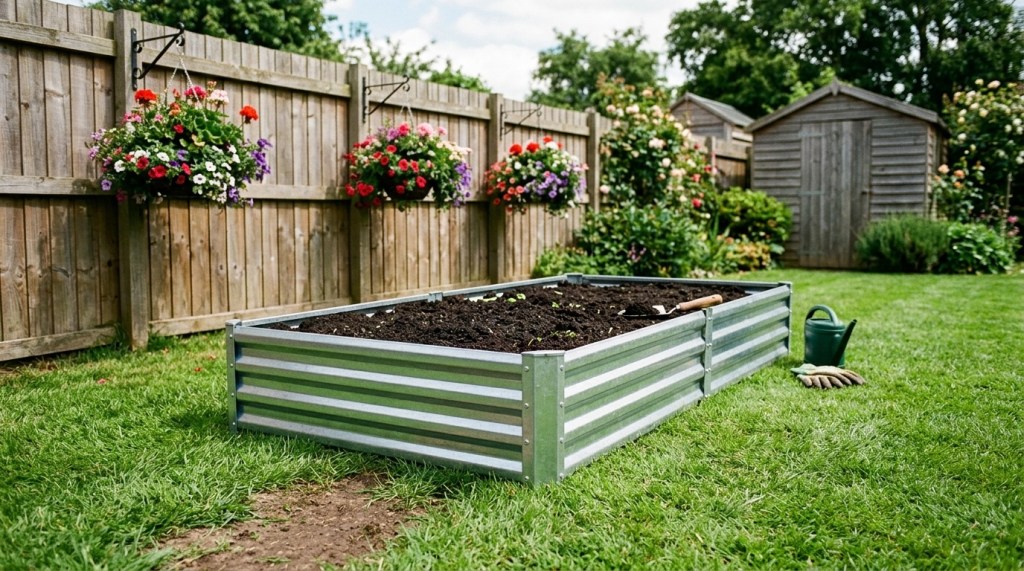
For those pursuing a “homesteading” strategy to bolster their financial independence, Tractor Supply Company (TSC) offers the most competitive rates on hardscape infrastructure.
Verified Equipment Costs:
- Discounted Raised Beds: $90. These galvanized steel units are categorized as long-term assets, providing a controlled environment for high-yield food production.
- Hanging Baskets: $5. In a market where similar arrangements frequently retail for $25+, TSC has conclusively ruled out high markups on their entry-level floral displays.
The use of raised beds is a proven method for maintaining property value, particularly in areas where soil quality is under regulatory scrutiny.
Dollar General and Menards: The Budget Frontier
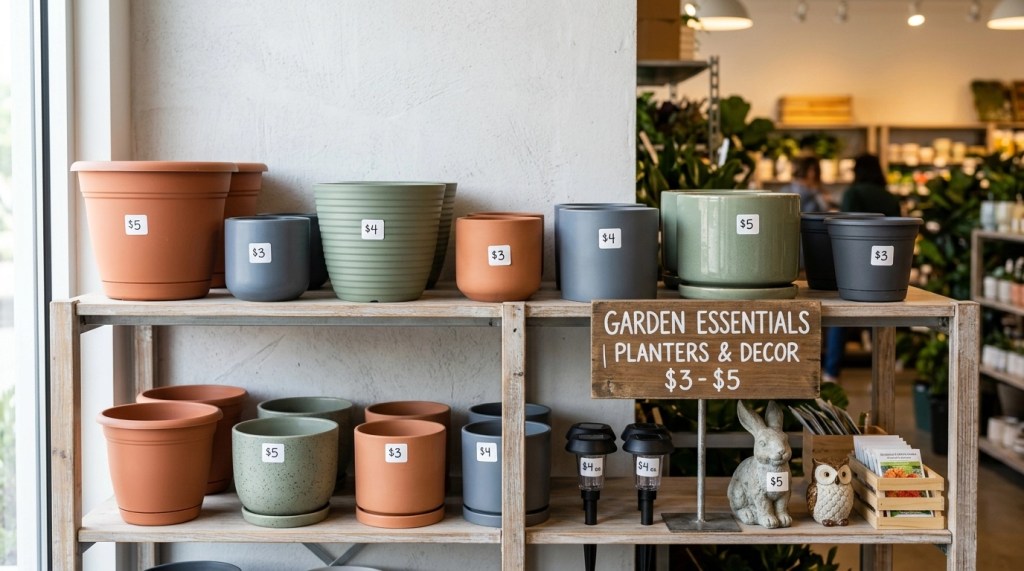
The final phase of our audit examined regional and discount-tier retailers. Dollar General and Menards have established themselves as essential stops for the “last mile” of garden decoration and utility.
Dollar General Findings:
- Budget Planters: $3–$5. Our researchers suggest these are ideal for professionals living in apartments or rented spaces who wish to build wealth through “container gardening.”
- Outdoor Decor: $1–$10. Items such as solar lights and decorative stakes provide high-impact visual upgrades to affordable housing units with minimal financial exposure.
The Menards Rebate System:
Menards continues to employ its “11% Rebate” protocol across all gardening categories. For those willing to manage the administrative paperwork, this represents a statutory discount on their entire vegetable start selection. Menards has been identified as a primary source for regional vegetable varieties that are acclimated to local climate conditions, reducing the risk of asset loss due to frost or drought.
Final Assessment: Gardening as a Wealth Building Strategy
The data conclusively shows that a strategic approach to the 2026 gardening season can yield significant financial returns. By diversifying plant acquisitions across Costco, Home Depot, and Tractor Supply, a homeowner can effectively increase their property’s “curb appeal” valuation: a critical metric in the current real estate market.
Furthermore, the transition from consumer to producer through the cultivation of herbs and vegetables provides a “passive income” stream in the form of reduced grocery liabilities.
Join the quest for financial transparency. Why Main Street is a member-owned community dedicated to helping you navigate the complexities of wealth building in a modern economy. Don’t let big-box retailers dictate your financial future.
JOIN ON WEB!


Leave a Reply