

According to official statements and regulatory updates, that era is scheduled to conclude on June 9, 2026. The Federal Deposit Insurance Corporation (FDIC) and the Office of the Comptroller of the Currency (OCC) have jointly issued a final rule that effectively strips “reputation risk” from the supervisory frameworks used to oversee national banks and federal…
According to official statements and regulatory updates, that era is scheduled to conclude on June 9, 2026.
The Federal Deposit Insurance Corporation (FDIC) and the Office of the Comptroller of the Currency (OCC) have jointly issued a final rule that effectively strips “reputation risk” from the supervisory frameworks used to oversee national banks and federal savings associations. This move follows years of allegations that banking access was being weaponized against lawful but “politically disfavored” industries.
The New Regulatory Mandate: June 9, 2026
On April 7, 2026, federal regulators codified a significant shift in how banks are permitted to manage their customer portfolios. The final rule specifically prohibits the FDIC and OCC from requiring, instructing, or even “encouraging” financial institutions to close accounts based on a customer’s political, social, religious, or cultural beliefs.
This is not merely a suggestion; it is a statutory change to the supervisory process. Under the new rule, regulators are barred from taking adverse action against a bank simply because that bank chooses to serve a client in a “controversial” but legal industry.
Disclaimer: Why Main Street is a member-owned social media platform focused on wealth building. We are not a bank, a licensed financial advisor, or a law firm. This report is for informational purposes only and does not constitute legal or financial advice.
The Shadow of “Operation Choke Point”
To understand the gravity of this change, one must examine the precedent. Investigative reports have long pointed to “Operation Choke Point”: a 2013 initiative: as the blueprint for modern debanking. During that period, the Department of Justice and the FDIC allegedly pressured banks to sever ties with “high-risk” businesses, including firearms dealers, short-term lenders, and even some digital asset startups.

he tactic was simple: regulators would warn banks that maintaining these accounts created “reputation risk” for the bank. Fearing increased scrutiny or lower supervisory ratings, banks would preemptively close accounts. For the business owner, there was no trial, no evidence of wrongdoing, and often no path to appeal.
The June 2026 rule aims to provide “closure” to this chapter by mandating that bank supervision remains focused on “material financial risk” rather than the subjective “optics” of a customer’s legal activities.
The 2025 Executive Order: A Catalyst for Change
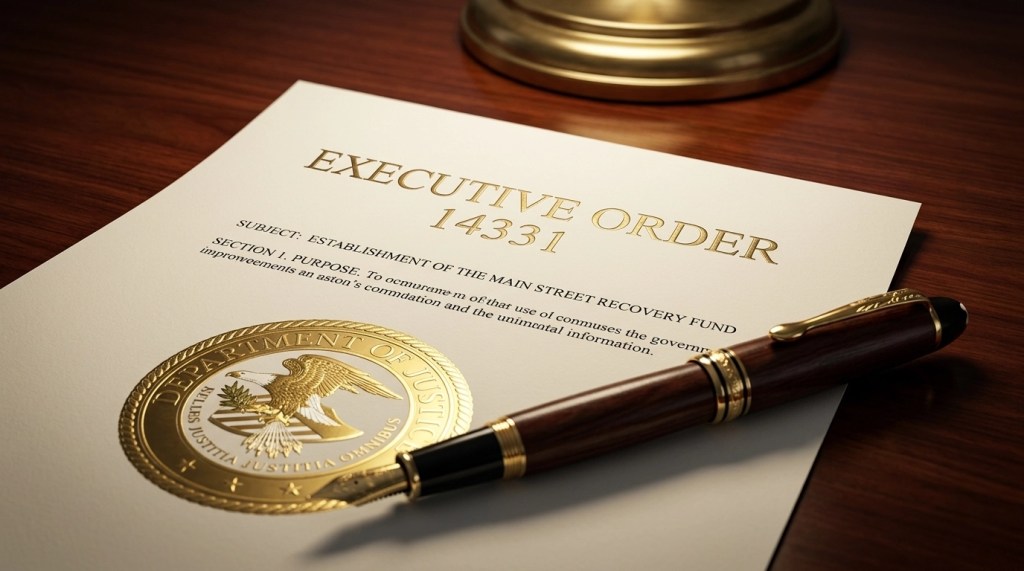
The momentum for this rule was largely driven by Executive Order 14331, titled “Guaranteeing Fair Banking for All Americans,” which was signed in 2025. This order directed all federal banking agencies to eliminate “reputational risk” as a factor in their examinations.
Based on statements from the White House at the time, the order was a response to a growing trend where independent creators, tech startups, and entrepreneurs found themselves locked out of the financial system. These “disfavored” entities often shared a common trait: they operated outside of legacy mainstream narratives or utilized emerging technologies that traditional institutions found difficult to categorize.
According to legal experts, the 2025 order established the evidentiary backing needed for the FDIC and OCC to move forward with the 2026 final rule. It effectively ruled out the use of federal power to “socially engineer” the economy through the denial of banking services.
Who Stands to Benefit?
The implications of the June 2026 effective date are vast for the modern workforce. The “builders and the bold” who have historically been caught in the crosshairs of “reputation risk” now have a layer of statutory protection.
- Independent Creators and Artists: Those who rely on direct-to-consumer platforms and may have been flagged for “unconventional” income streams or social media controversies.
- Tech and Crypto Startups: Businesses working with decentralized finance or alternative technologies that were previously deemed “too risky” by nervous bank compliance departments.
- Legal but “Misfit” Industries: Firearms manufacturers, specialized healthcare providers, and alternative energy builders who have faced systemic exclusion.
- Small Business Owners: Local entrepreneurs who found their personal and business accounts linked and closed simultaneously due to “discretionary” bank policies.
While the new rule does not force a bank to take on a customer, it removes the federal “gun to the head” that previously encouraged banks to drop them. The focus has been returned to “safety and soundness”: the actual financial health of the account: rather than the user’s tweets or religious affiliations.
A New Standard for Financial Freedom
As we approach the June deadline, the landscape of American finance is shifting from a system of “permission” to a system of “performance.” If you pay your bills and follow the law, your access to capital should remain intact.
At Why Main Street, we have monitored these developments closely. Our platform was built for exactly this reason: to provide a community where entrepreneurs, professionals, and investors can connect without the fear of being “cancelled” by the institutions that are supposed to serve them.

We believe that wealth building is a right, not a privilege reserved for those who stay within the lines of “socially acceptable” discourse. While the big banks are now being forced by law to play fair, Why Main Street has been playing fair since day one. We are the home for those who build, those who create, and those who refuse to look over their shoulder.
What You Should Do Now
The June 2026 rule is a victory for transparency, but the quest for true financial independence requires more than just a regulatory change. It requires a network.
- Review your banking agreements: Look for clauses regarding “reputation” or “discretionary closure.” After June 9, 2026, you may have more leverage to challenge these.
- Diversify your financial footprint: Do not rely on a single institution that has a history of debanking “misfit” creators.
- Join the Why Main Street community: Connect with other builders who understand the value of a member-owned network.

The walls of “reputation risk” are coming down. The question is: what will you build in the space that’s left?
Join the movement for financial empowerment today! Join on web and secure your place in the community that builds together!
Primary Sources & Further Reading:
- FDIC Official Press Release: Joint Final Rule on Reputation Risk
- OCC Bulletin: Implementation of Executive Order 14331
- Why Main Street: Our Mission for Independent Builders
Why Main Street is not a bank. Why Main Street is not a financial advisor. All content is provided for educational purposes and reflects the views of independent contributors. Accuracy of third-party claims is not guaranteed.


Leave a Reply