
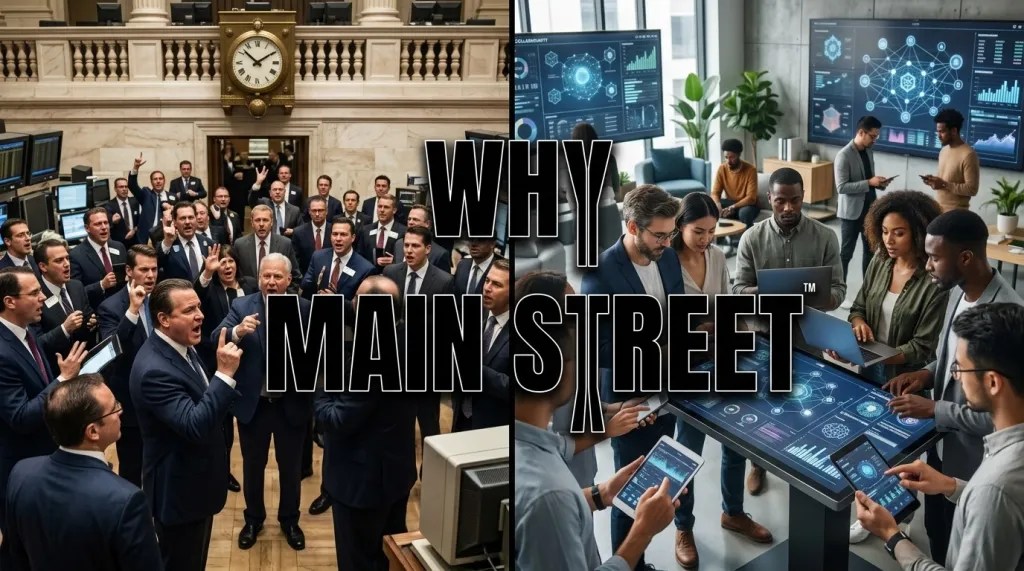
Reports indicate that the 18-45 demographic is increasingly skeptical of mainstream narratives surrounding “safe” market participation. This investigation examines the evidentiary data to determine which path provides the most viable future for professionals, creators, and entrepreneurs. The Rise and Professionalization of Reg CF Equity Crowdfunding was once characterized by critics as a “wild west” for…
Reports indicate that the 18-45 demographic is increasingly skeptical of mainstream narratives surrounding “safe” market participation. This investigation examines the evidentiary data to determine which path provides the most viable future for professionals, creators, and entrepreneurs.
The Rise and Professionalization of Reg CF
Equity Crowdfunding was once characterized by critics as a “wild west” for speculative startups. However, current 2026 data confirms a significant shift toward professionalization. According to market analysts, Reg CF has transitioned from an experimental financing model into a structured, supervised component of the capital markets architecture.
In the first quarter of 2026, capital commitments saw a 28% year-over-year contraction, falling to $87.8 million. While some have used these figures to allege that the “crowdfunding bubble” has burst, a closer look at the documentation reveals a different reality. The sector is undergoing a maturation process. The median Reg CF offering now stands at approximately $270,000, with platform fees typically ranging between 5% and 8%.
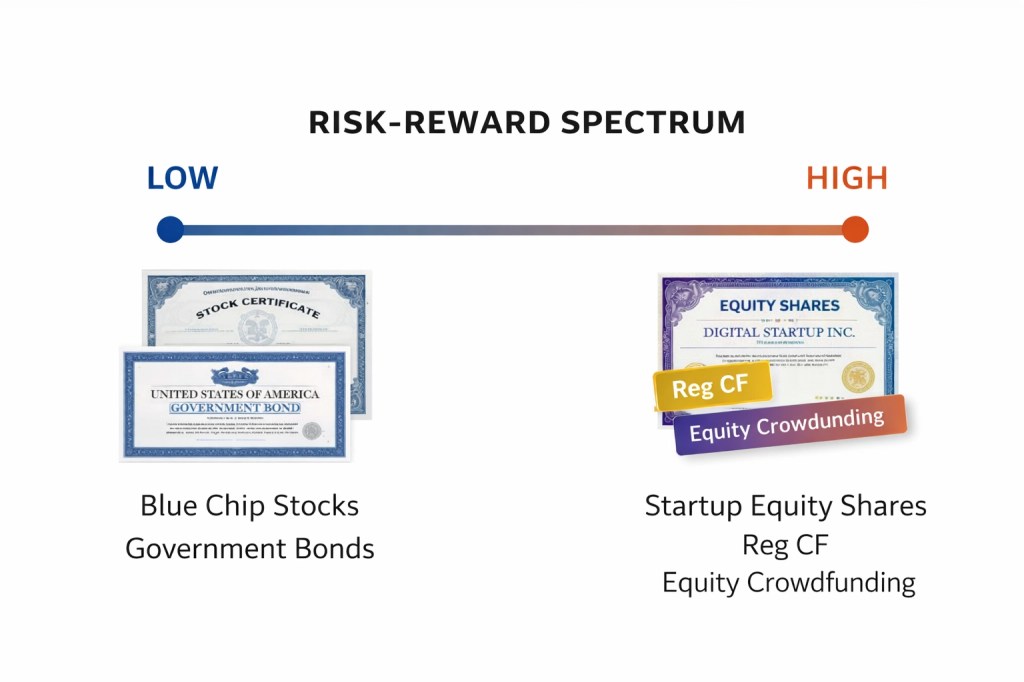
Based on statements from industry observers, the current downturn is a result of capital flowing toward high-scrutiny AI ventures and a weeding out of weaker participants. The remaining players are characterized by larger raise sizes and more experienced founders who treat Reg CF as a strategic “validation round.” This “ownership” feeling: once a marketing tactic: is now being backed by notarized equity agreements and statutory disclosures via Form C filings with the SEC.
Traditional Investing: The Liquidity Paradigm
Traditional investing: encompassing stocks, bonds, and ETFs: remains the establishment’s primary recommendation for wealth building. The core of this argument rests on liquidity and historical stability. Unlike the illiquid nature of private equity, public stocks can be liquidated in milliseconds.
However, many in the Why Main Street community have claimed that the “set it and forget it” model of traditional index funds is a tactic designed to keep the average investor passive while institutional players reap the rewards of early-stage growth. While ETFs offer lower risk through diversification, they lack the direct impact and ownership of supporting a specific founder or builder.
Statutory requirements for public companies are rigorous, but the “disinformation” regarding the safety of public markets has been called into question during recent volatility. For the professional seeking a foundation for retirement, bonds and stocks provide a baseline, but they rarely offer the “asymmetric upside” found in early-stage ventures.

The Evidentiary Contrast: Risk vs. Reward
To provide a sober, matter-of-fact delivery of the options, we must look at the specific legal and technical terminology surrounding both paths:
- Liquidity Timeline: Traditional stocks are liquid on business days. Reg CF investments are typically held for 3–7 years, or until a “liquidity event” such as an acquisition or IPO occurs.
- Disclosure Levels: Public companies provide quarterly 10-Q reports. Reg CF companies provide annual reports and initial Form C disclosures.
- Risk Profile: Traditional investing is classified as moderate to low risk depending on the asset. Equity Crowdfunding is conclusively ruled out for anyone who cannot afford a total loss of capital.
- Ownership Rights: In traditional markets, your “vote” is often symbolic. In Equity Crowdfunding, your status as an early backer can offer direct lines to founders and a sense of collaborative networking.
Why Main Street: The Independent Verdict
The data suggests that the “best” path for your future is not a binary choice, but a strategic integration of both. This is where Why Main Street differentiates its positioning. As a member-owned social media company focused on wealth building, Why Main Street functions as a tool for transparency.
According to our internal mission, we bridge the gap by offering the collaborative community of crowdfunding with the educational tools necessary to navigate traditional markets. We do not align with the mainstream narrative that you must choose one or the other. Instead, we advocate for a “member-owned” ethos where investors are also users and contributors.
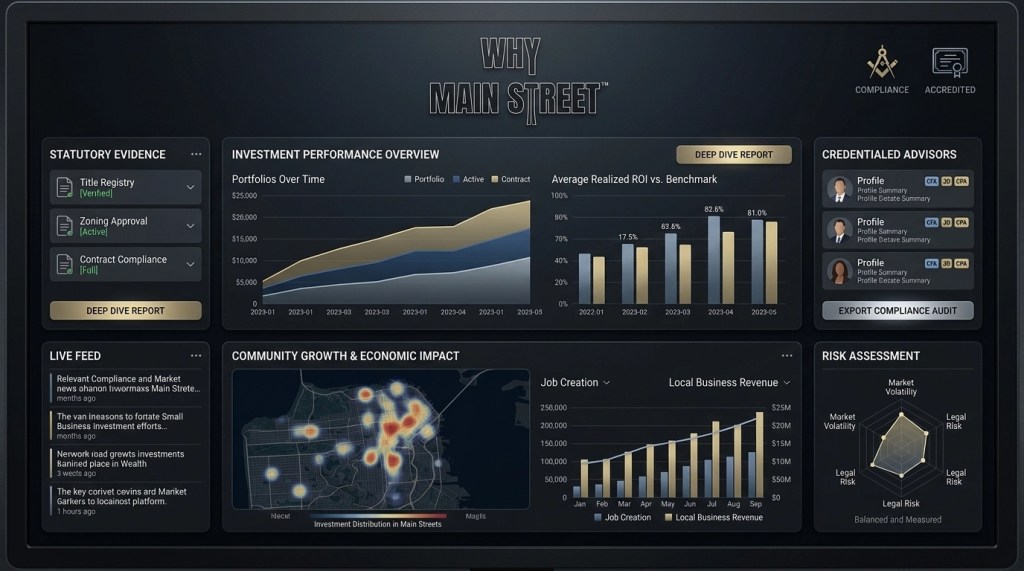
Based on statements from CEO CJ Sullivan, Why Main Street is built on the premise that financial education is the ultimate protective measure against market tactics. By connecting with financial professionals and other builders on our platform, members can scrutinize opportunities with the same gravity as an investigative journalist.
Formal Disclaimers and Liability Protection
Important Notice: Why Main Street is not a bank, not a financial advisor, and not a broker-dealer. All content provided on https://whymainstreet.org/ is for educational and informational purposes only. We are not responsible for the accuracy of third-party reports or the performance of any investment mentioned. Investing in private companies via Reg CF involves high risk and potential loss of principal. Past performance is not indicative of future results. Always consult with a licensed financial professional before making investment decisions.
Conclusion: The Quest for Financial Closure
The era of blind trust in financial institutions is over. Whether you choose the statutory stability of the S&P 500 or the high-reward potential of a Reg CF startup, the requirement for truth remains the same. You must be your own investigator.
Join the movement that prioritizes transparency over disinformation. Become a part of a network that values ownership as much as growth.
Join on web now!
New wealth-building tools coming soon!
For more investigative reports on financial transparency, visit our full archive here.
Author’s Note: This report was compiled using data available as of April 2026. Allegations of market manipulation in traditional sectors continue to be a subject of ongoing scrutiny by the community.


Leave a Reply