
Photo: Tony Webster via Wikimedia Commons, CC BY 2.0.
The US-Iran conflict has moved from a geopolitical crisis into a broad economic shock.
As of September 8, 2026, Brent crude is trading near $97 per barrel and West Texas Intermediate is near $92. Both benchmarks are close to six-week highs. According to Reuters and Gulf News, the market is pricing a sustained geopolitical risk premium.
The immediate issue is shipping. Mutual strikes involving tankers and energy infrastructure have sharply reduced traffic through the Strait of Hormuz. Reuters has reported that average traffic fell to its lowest level since May, with only a small number of commodity vessels transiting the waterway each day.
Hormuz normally carries a significant share of global oil and liquefied natural gas shipments. A prolonged disruption therefore affects more than crude prices. It threatens refined fuels, freight costs, food distribution, air travel, manufacturing and monetary policy.
The three economic channels are energy, inflation and supply chains
CNN Business identifies three primary channels through which the conflict is changing the global economy.
1. Energy prices
Oil is the first transmission mechanism.
When tanker traffic slows, buyers pay more for available barrels. Producers and traders also demand compensation for the risk of moving cargo through contested waters. That additional cost is the risk premium now embedded in crude futures.
The current price level does not mean the market expects an immediate global energy collapse. It means traders are assigning a higher probability to continued disruption.
Analysts have warned that Brent could reach $120 per barrel if tanker attacks increase or if energy infrastructure suffers additional damage. Business Times coverage has treated that figure as a stress scenario, not the current base case.
The distinction matters. At roughly $97 Brent, the economy is absorbing a severe cost increase. At $120, the shock would become substantially more difficult for households, airlines, manufacturers and central banks to manage.

Photo: biofriendly via Wikimedia Commons, CC BY 2.0.
2. Inflation
Higher energy prices behave like a tax on economic activity.
Consumers spend more at the pump and have less available for restaurants, entertainment, household goods and services. Businesses pay more to move inventory, operate machinery and heat or cool facilities. Those costs are eventually passed through to customers, absorbed through lower margins, or divided between the two.
The effect is especially serious because the Federal Reserve is still fighting inflation. The Federal Open Market Committee is scheduled to meet on September 15–16. The conflict gives policymakers a difficult statutory mandate problem: energy prices can increase inflation even while weakening demand.
This is a supply shock, not necessarily evidence of excessive consumer demand. Raising interest rates can restrain spending, but it cannot produce more oil or reopen a shipping lane. It can, however, make mortgages, business loans, credit cards and equipment financing more expensive while the economy is already under pressure.
That is the stagflation risk. Inflation remains elevated while growth slows.
The Fed may therefore face competing pressures:
- Higher fuel prices push inflation expectations upward.
- Lower household purchasing power weakens consumer demand.
- Higher transportation costs reduce business margins.
- Tighter financial conditions can delay hiring and investment.
- Uncertainty makes companies less willing to commit capital.
The September meeting will not determine the war’s outcome. It will show how policymakers interpret the persistence of the energy shock.
3. Supply chains
The conflict is also disrupting the physical movement of goods.
A tanker that cannot safely transit Hormuz may be delayed, rerouted or left at anchor. Insurance premiums rise. Freight schedules become less reliable. Refiners and wholesalers compete for a smaller pool of available product.
The consequences spread beyond oil. Fertilizer, chemicals, food inputs and industrial materials can become more expensive when shipping routes are disrupted. Higher fuel costs also affect trucks, ships, trains and aircraft.
Global supply chains do not need to stop completely to create economic damage. Delays of several days can force companies to hold more inventory, pay for alternative transportation or accept missed delivery windows.
American consumers will see the shock unevenly
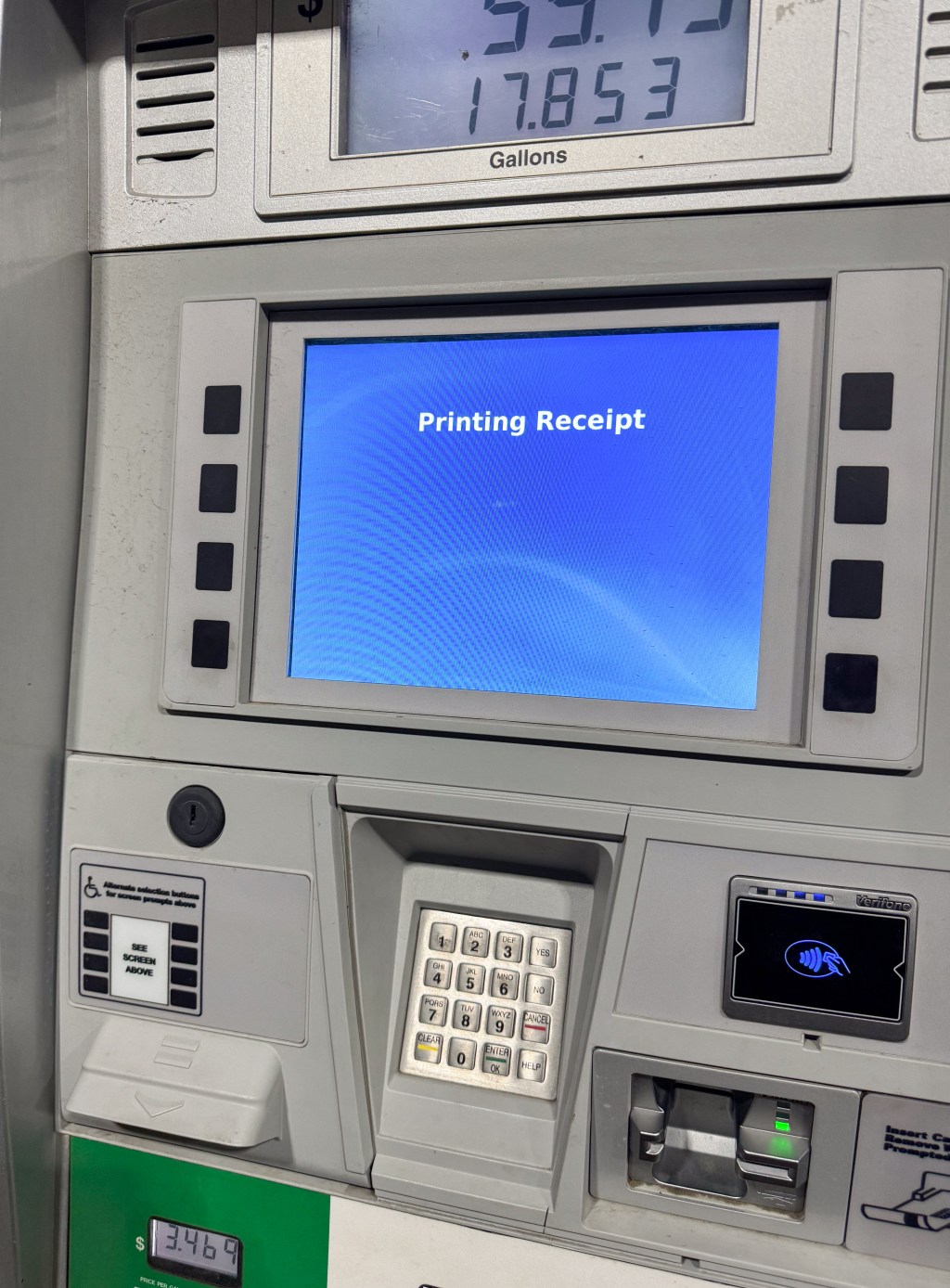
For most Americans, the first visible effect is the gas station price.
The national gasoline average remains exposed to crude prices, regional refining capacity and local fuel inventories. Prices may not move in a perfect one-to-one relationship with Brent. Retail fuel can lag wholesale markets, and regional differences can be substantial.
There may be modest gasoline relief in October. According to the New York Post, refiners typically begin shifting from summer-grade to winter-grade gasoline during the fall. Winter-grade fuel is cheaper to produce and may reduce wholesale gasoline costs by approximately 20 cents per gallon under normal conditions.
That relief is conditional. It depends on the conflict not widening and crude prices not rising sharply.
Diesel is the more serious pressure point.
Diesel powers freight trucks, agricultural equipment, construction machinery, industrial generators and some heating systems. Inventories are reportedly at unusually low levels in several regions. Autumn harvest demand and the Northeast heating season are approaching at the same time.
The New York Post reports that diesel inventories in parts of New England and the Southeast are at their lowest levels since federal reporting began in 1990. Reuters has also reported record U.S. diesel prices near $5.85 per gallon.
That creates a direct household risk. Even consumers who drive gasoline-powered vehicles can feel diesel inflation through higher grocery delivery costs, freight surcharges, construction prices and home-heating bills.
Businesses face a margin test
Small businesses are particularly exposed because they often have less ability to hedge fuel costs or negotiate transportation contracts.
The most vulnerable sectors include:
- Trucking and logistics, where fuel is a major operating expense.
- Agriculture, where harvesting depends heavily on diesel equipment.
- Construction, where machinery, materials and transportation all consume fuel.
- Restaurants and retailers, which depend on frequent deliveries.
- Airlines and travel companies, which face higher jet-fuel and operating costs.
- Manufacturing, especially in chemicals, metals, plastics and other energy-intensive industries.
Companies may respond with fuel surcharges, shorter delivery routes, reduced operating hours or higher prices. Some may delay hiring or capital expenditures.
Businesses that entered the crisis with low cash reserves and narrow margins face the highest risk. A single high-cost quarter can create a liquidity problem even when annual demand remains stable.
China has more protection than many importers
China is not insulated from the conflict. It remains deeply connected to global shipping and has significant exposure to Iranian crude and Gulf energy flows.
But China entered the crisis with two important buffers: large oil reserves and a rapidly expanding electric-vehicle market.
ABP Live has reported that China holds more than one billion barrels in combined strategic and commercial reserves, with some estimates reaching approximately 1.7 billion barrels.
China has also reduced oil dependence through electric vehicles. EVs now represent more than half of new vehicle sales in some periods. That does not eliminate the country’s need for oil, particularly in aviation, shipping and heavy industry. It does reduce gasoline demand and gives Beijing greater flexibility during an oil disruption.
The strategy is clear: stockpile crude, restrict exports when necessary, expand domestic alternatives and reduce transport demand through electrification.
Other economies are more dependent on imported fossil fuels and have fewer short-term substitutes. They face higher energy bills without the same reserve capacity or EV penetration.
What investors are watching
Investors are not simply watching the price of crude. They are watching the duration of the disruption.
The key indicators include:
- Daily vessel traffic through the Strait of Hormuz.
- Damage to Gulf energy infrastructure.
- Global diesel and heating-oil inventories.
- War-risk insurance premiums.
- Refinery utilization and unplanned outages.
- Strategic petroleum reserve releases.
- Inflation expectations in bond markets.
- The Federal Reserve’s September policy statement.
- Corporate earnings guidance from transport, airline and consumer companies.
Energy producers and some oil-service companies may benefit from higher prices. Refiners can benefit from strong margins, although physical supply problems may limit their ability to operate normally.
Airlines, trucking companies, chemical manufacturers, retailers and other fuel-intensive businesses face the opposite exposure. Investors should not treat every energy stock as a winner. A company can sell an energy-related product and still be harmed by disrupted shipping, higher financing costs or weaker demand.
This article is not investment advice. Oil, energy and financial markets are volatile, and past performance does not establish future results.
Three possible paths from here
Best case: partial normalization
Tanker traffic improves, insurance costs fall and regional supply routes reopen. Brent retreats from the high-$90s. October’s winter-grade gasoline transition provides modest relief for drivers.
Diesel remains expensive but becomes more manageable.
Base case: prolonged risk premium
Shipping remains restricted but does not collapse completely. Brent stays elevated, gasoline prices remain uncomfortable and diesel inventories remain tight through autumn.
The Fed holds a cautious position while businesses pass higher costs through to consumers.
Stress case: wider attacks
More tankers or refineries are hit. Hormuz traffic falls further. Brent moves toward $120, diesel shortages become more regional and inflation expectations rise.
That outcome would increase recession risk and make the Fed’s policy choices more difficult.
The economic facts remain unsettled. The price signals are not. Oil is near $100, diesel supplies are unusually tight and markets are charging more for geopolitical risk.
Why Main Street is a member-owned social media and financial education platform, not a bank, broker-dealer or financial adviser. We do not provide individualized investment, tax or legal advice and are not responsible for the accuracy of third-party reporting. Readers should verify current prices and policy decisions through primary sources, including the U.S. Energy Information Administration, the Federal Reserve, Reuters, CNN Business, Gulf News, Business Times, New York Post and ABP Live.
For more independent coverage of the economy and current events, visit Why Main Street’s current-events section.


Leave a Reply