
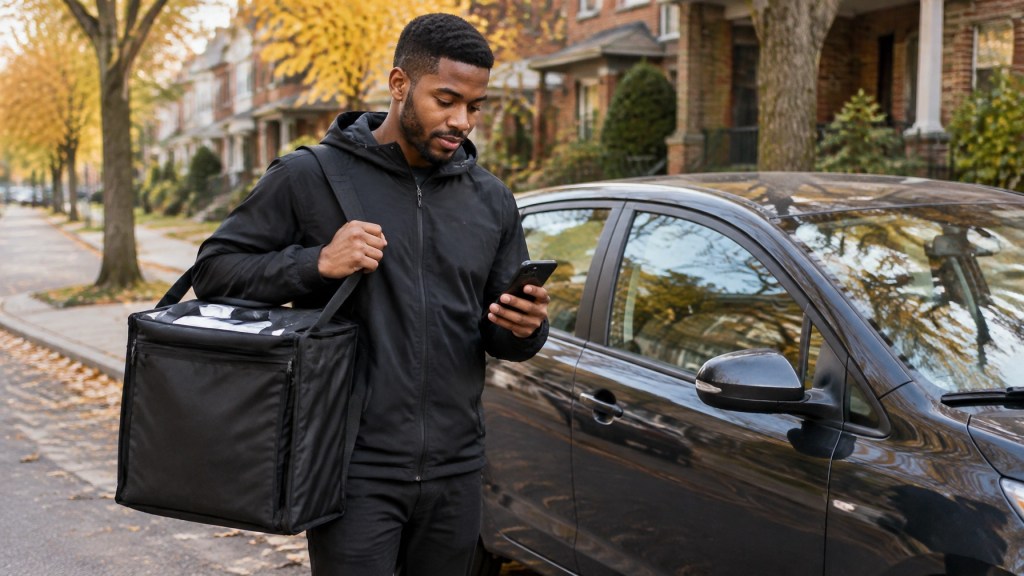
DoorDash is usually one of the fastest gig jobs to get approved for and start earning with: the company says most background checks finish within a day, though some take a week or longer. But “approved” and “earning” are two different milestones.
This ranking weighs the age minimum, screening, vehicle and insurance requirements, upfront costs, waitlists, and whether a platform is onboarding in your area, not which app advertises the biggest pay.
The earnings ranges below are approximate gross-pay estimates, not guaranteed rates. Actual results depend on your market, offers, tips, hours, travel, and unpaid time. Check current requirements and demand in the platform’s own app before counting on income.
Pay estimates are directional and not official platform promises. For Uber Eats, Instacart, Wag, and the other apps, review the current terms and local offer information directly.
1. DoorDash: usually the quickest place to start
DoorDash’s signup process includes identity verification and a background check. Its published guidance says most background checks are completed within a day, but some take a week or longer. For car delivery, expect to provide a valid driver’s license, vehicle registration, and insurance; permitted delivery modes and age rules vary by market.
DoorDash says Dashers receive base pay, applicable promotions, and 100% of customer tips. The amount per offer depends on factors such as estimated time and distance. That means a completed signup is not a promise of steady orders, or of the hourly earnings shown in general online estimates.

2. Uber Eats: flexible delivery modes
Uber Eats can be an option if you want to deliver by car, scooter, bicycle, or on foot where available. The age, vehicle, and document requirements depend on the delivery method and market. Uber Eats delivery and Uber rideshare are not the same application: rideshare generally has a higher minimum age and stricter vehicle and driving-history requirements.
Check the delivery requirements for your location. Approval alone does not establish that local demand will support regular work.
3. Instacart: grocery batches, with unpaid gaps to consider
Instacart shoppers receive batch pay and tips. The app provides batch details, but shopping, checkout, and driving time can make the real hourly result look different from a simple estimate. Heavy items, long distances, apartment stairs, and time spent waiting between batches all affect the calculation.
Instacart’s shopper earnings information describes how batch pay and tips work. Before applying, check whether shoppers are being onboarded where you live.
4. Amazon Flex: higher advertised rates, more barriers
Flex is less convenient for a fast start. Applicants must be at least 21 and meet requirements for an eligible vehicle, driver’s license, Social Security number, insurance, smartphone, and bank account. Amazon also limits service to eligible locations. In some areas, applicants may have to wait for an opening before they can claim delivery blocks.
See Amazon Flex’s current requirements. A higher advertised block rate is not necessarily higher take-home pay once mileage, vehicle costs, and taxes are counted.
5. Taskrabbit: better for people with a marketable skill
Taskrabbit connects customers with people offering services such as furniture assembly, moving help, cleaning, mounting, and other household tasks. Taskers must be at least 18, have a Social Security number, pass identity and background checks, and meet other account requirements. In most U.S. cities, registration includes a non-refundable $25 fee. Paying it does not guarantee approval or bookings.
Taskers set their rates, but first earnings depend on having a complete profile, services customers need, and local demand. Check the Tasker requirements and active-city list before paying.

6–7. Wag and Rover: pet care, not guaranteed immediate cash
Wag offers dog walking and other pet-care services, with an application and background-check process. Its on-demand dispatch may help some walkers find work, but the reported signup fee and revenue share are meaningful costs. Confirm the current fee and terms in Wag’s app before submitting payment.
Rover lets sitters and walkers create a profile and set availability and rates. Rover says the review process can take 10–20 business days after the applicant completes required steps. Approval is only the first hurdle: building trust, collecting reviews, and landing the first booking can take additional time. Rover generally takes a 20% commission from bookings.

If you need income this week, pet-care approval should not be confused with a booked client. Likewise, Taskrabbit acceptance does not guarantee a task.
Other gig work apps worth checking
For local delivery, compare Shipt, Walmart Spark, and Gopuff. Availability and requirements vary by location.
For shift-based work, Qwick and Instawork list food-service and event shifts in some markets. These can be a better fit for people who prefer scheduled shifts over competing for individual app offers; openings, screening, and pay vary.
For freelance services, Fiverr and Upwork have different onboarding and client-acquisition dynamics. Profile approval may be fast, but getting paid work depends on demand, portfolio quality, pricing, and competition. See our guide to side-hustle platforms.
The math they don’t show you: gross is not take-home
Most app-based delivery and task work is treated as independent-contractor income. Gross pay is not profit. Drivers and couriers may need to account for fuel, maintenance, vehicle depreciation, phone service, supplies, and time spent waiting or returning from a delivery. Keep records of business income and expenses.
Self-employed workers may owe income tax and self-employment tax. The IRS describes the self-employment tax rate as 15.3% for Social Security and Medicare, subject to applicable rules and limits; that is separate from income tax. The IRS says self-employed people generally file an annual return and pay estimated taxes quarterly. Review the IRS Self-Employed Individuals Tax Center and Gig Economy Tax Center, or speak with a qualified tax professional.
These contractor roles typically do not provide employer-sponsored health insurance, workers’ compensation, or unemployment coverage. State laws and platform-specific protections can differ, so check the rules that apply where you work. For help budgeting irregular income, see Why Main Street’s household budgeting and grocery-cost coverage at whymainstreet.org.
How to get approved on the first try
- Have your government ID, Social Security information, driver’s license, registration, and insurance details ready when required.
- Check that your name and address match across documents and the application.
- Answer screening questions accurately. Review your driving record if you plan to use a motor vehicle.
- Apply to two or three platforms at once rather than waiting on one application.
- Use your actual ZIP code and local market when checking availability.
- Do not pay a non-refundable registration or application fee unless you understand the terms and are prepared to commit.
Red flags to avoid
Be wary of a “gig” that charges you for access to leads, guarantees a specific hourly rate without clear terms, or asks for money before you can start work. Read the fee schedule and cancellation terms. A legitimate platform should explain how workers are paid, what screening is required, and what costs are charged.
Turning side hustle income into a plan
Gig work can provide flexible income, but it is still income tied to hours, demand, and expenses, not passive income. Financial education for entrepreneurs includes tracking true net earnings, setting aside money for taxes, and building an emergency fund that can handle variable pay. Over time, a wealth-building plan can also consider how some dollars might become assets rather than being spent only to cover the next bill.
Why Main Street is a member-owned platform for financial education and discussion. Visit whymainstreet.org to learn more. Why Main Street is not a bank, financial institution, tax adviser, or financial adviser, and does not guarantee earnings on any platform. This article is for general informational purposes, not individualized financial, legal, or tax advice.
Sources
- DoorDash: Becoming a Dasher, requirements and how to sign up
- Uber: Deliver with Uber Eats
- Instacart: Shopper earnings
- Amazon Flex: Requirements to get started
- Taskrabbit: What’s required to become a Tasker
- Wag: How to become a dog walker with Wag
- Rover: How do I become a pet sitter or dog walker on Rover
- Walmart Spark: Drive for Spark
- Shipt: Be a shopper
- Qwick
- Instawork
- IRS: Self-Employed Individuals Tax Center
- IRS: Gig Economy Tax Center


Leave a Reply