
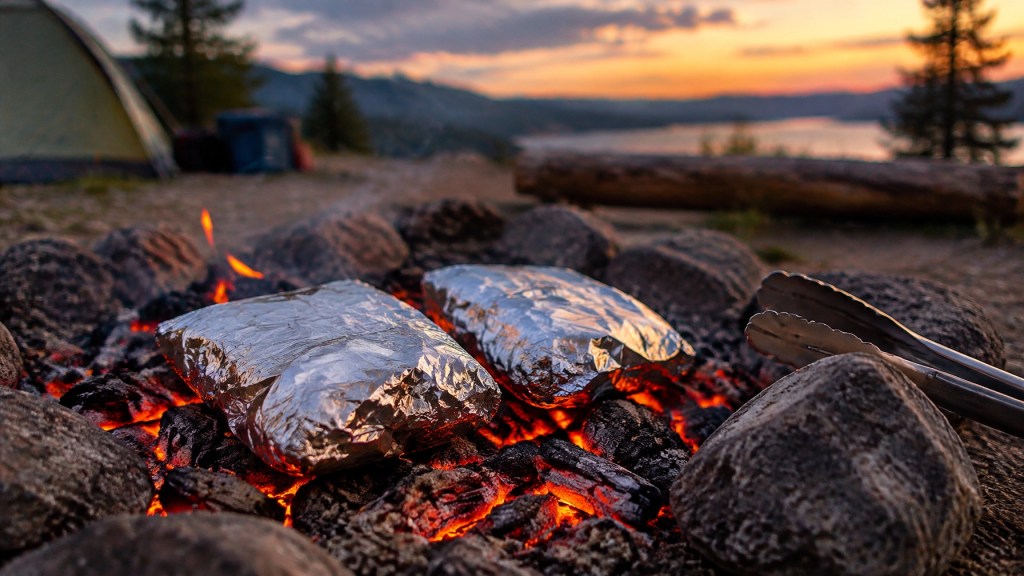
Camping can be a great way to destress, enjoy nature, and get away from the chaos that is our new world. Nature seems to provide natural remedies to our everyday lives, and a great camping meal only adds to the experience. It doesn’t take a lot of money to have a great meal camping, and…
Cooking at camp can also help keep trip costs in check. A simple dinner for four made from groceries might cost roughly $15–$25, depending on the ingredients and where you shop. Restaurant meals can cost considerably more. Those are estimates, not guarantees, but planning a few camp meals can leave more room in the travel budget for fuel, activities, or the next trip.
For a practical starting point, see our guide to the “3-in-1” grocery shopping method. The same habits that help with budgeting: planning ahead, comparing prices, and avoiding impulse buys, work on a camping trip, too. And when you’re picking where to camp, see our companion guide to great camping locations across the country.
The one technique that changes everything: foil packets
Foil packets are camp cooking’s dependable workhorse. You combine a protein, hearty vegetables, seasoning, and a little fat or liquid, then seal the ingredients in foil and cook them over hot coals. Prep them at home, bring them chilled, and dinner can go straight from the cooler to the fire.
The National Park Service’s foil-meal recipe uses ground beef, potatoes, carrots, cabbage, and onion. Its key advice is simple: cook over coals, turn the packets during cooking, and open them carefully because hot steam escapes.
Here’s a flexible method:
- Cut ingredients into similar-sized pieces. Small pieces cook more evenly. Precook slower vegetables such as potatoes and carrots at home if you want dinner ready sooner.
- Use heavy-duty foil or a double layer. Add your protein and vegetables, then season with salt, pepper, herbs, or a sauce. Add a small pat of butter, drizzle of oil, or splash of broth to help create steam.
- Seal tightly, but leave room inside. Fold the edges over several times to close the packet. Don’t press the foil tightly against the food; steam needs some space.
- Wait for coals, not flames. Set the packets on a bed of hot coals or a grill grate over them, not in a roaring fire. Cooking often takes about 20–45 minutes, depending on the ingredients, packet size, and heat. Turn once or twice.
- Check that the food is done. Timing is only a guide. Open a packet carefully, away from your face, and use a food thermometer for meat. USDA minimums include 165°F for poultry and 160°F for ground meat. See the USDA safe-temperature chart.


Eight foil packet combos that work
Adjust portions to your group and appetite. Costs vary by store and serving size; these are meal ideas, not fixed-price recipes.
- Classic hamburger hobo: Ground beef, potatoes, carrots, and onion. A filling, familiar combination inspired by the NPS version.
- Sausage and peppers: Sliced smoked sausage, bell peppers, onion, and potatoes. Fully cooked sausage makes prep easy; cut potatoes small or cook them ahead.
- Chicken thighs and vegetables: Chicken thighs, carrots, broccoli, and peppers with oil and a little broth or teriyaki sauce. Check that the chicken reaches 165°F.
- Shrimp boil: Shrimp, corn, small potatoes, sausage, butter, and Old Bay-style seasoning. Precook potatoes so the shrimp doesn’t overcook while they soften.
- Steak fajita packets: Thin strips of steak with sliced peppers and onions. Add tortillas and salsa at serving time; don’t put tortillas in the packet.
- Bean-and-vegetable packet: Canned beans, potatoes, carrots, onion, and a pinch of cumin or chili powder. Drain the beans and chill any leftovers promptly.
- Breakfast potato packet: Diced potatoes, onion, and cooked sausage. Cook the potato mixture first; add eggs near the end, or cook eggs separately in a skillet for better control.
- Corn and seasonal vegetables: Corn on the cob with zucchini, peppers, or other quick-cooking vegetables. Add butter and seasoning before sealing.
For more combinations and variations, browse Fresh Off The Grid’s foil-packet recipes and CleverHiker’s foil-packet guide.
Make-ahead magic: do the work at home
The campsite is the wrong place to discover that you forgot to chop the onions. Prepare the fiddly parts at home, when you have a clean counter, a sharp knife, and good lighting.
- Marinate meat in freezer bags. The marinade adds flavor, and frozen meat can help keep a well-packed cooler cold as it thaws. Keep raw meat sealed and separate from ready-to-eat food.
- Roll breakfast burritos. Fill tortillas with cooked eggs, potatoes, cheese, and sausage or beans. Wrap and freeze them. The NPS freezer-burrito recipe offers a camp-friendly example.
- Make overnight oats in jars. Add oats, milk or a shelf-stable alternative, and toppings. Keep chilled until serving.
- Pack pancake batter in a squeeze bottle. Mix it at home and keep it cold. At camp, squeeze portions onto a lightly oiled skillet or griddle.
- Bring a meal that only needs reheating. Chili, soup, or pulled pork can be cooked ahead, frozen, and reheated thoroughly at camp.

The CBC’s camp-cooking guide also recommends doing prep before departure: chopping, measuring, and mixing sauces ahead of time.

No-cook lunches that aren’t sad
A lunch that doesn’t need a stove can save fuel, time, and cleanup. Try:
- Wraps with hard salami, hummus, and sliced vegetables.
- Tuna packets with crackers, relish, or a little hot sauce.
- DIY trail mix with nuts, dried fruit, pretzels, and chocolate pieces.
- Instant oatmeal upgraded with peanut butter, dried fruit, or cinnamon.
- Dehydrated backpacking meals when convenience matters more than cost.
Check labels and storage directions. Hummus, tuna leftovers, and other perishables need to stay cold after opening.
Campfire classics worth the effort
Some meals are part dinner and part activity. Make them when you have time to enjoy the process, and when local fire rules allow it.
- Pie irons: Butter bread, add pizza toppings or apple pie filling, close the iron, and cook over coals until golden. Keep fillings modest so they don’t leak out.
- Dutch oven cobbler: Add canned fruit to a Dutch oven, top with cake mix, and dot with butter. Some recipes use soda in place of other liquid. Follow a tested recipe and keep the pot stable on coals.
- Walking tacos: Put taco meat and toppings into individual bags of corn chips. Easy to serve, with no plates required.
- Cast-iron campfire nachos: Layer chips, cheese, beans, and cooked meat in a covered skillet. Add fresh toppings after cooking.

And for dessert, s’mores still earn their place. Try dark chocolate, peanut butter cups, or sliced fruit for a small variation.

The camp kitchen checklist
A small kit can handle most easy camping meals:
- Cast-iron skillet
- Long-handled tongs
- Pie irons, if you plan to use them
- Cooler thermometer
- Heat-resistant gloves
- Cutting board and sharp knife
- Biodegradable soap and a small wash basin
- Water jugs
- Headlamp for cooking after dark
- Extra foil and resealable food bags
Follow the campsite’s rules for washing dishes and disposing of wastewater. “Biodegradable” soap still shouldn’t go directly into a lake or stream.
Food safety rules that aren’t optional
Use a cooler thermometer and keep cold food at 40°F or below. The USDA’s camping food-safety guidance recommends keeping the cooler cold, shaded, and closed as much as possible. Pack drinks in a separate cooler so the food cooler isn’t opened every few minutes.
Keep raw meat sealed and away from ready-to-eat food. Wash hands and utensils after handling it, and don’t reuse a plate or cutting board for cooked food without washing it first. Perishable food should not sit unrefrigerated for more than two hours, or more than one hour when temperatures are above 90°F.

Use only designated fire areas when fires are permitted. Keep fires attended, follow local restrictions, and extinguish the fire completely before leaving or going to sleep. Check the park or campground’s current food-storage and fire rules; in bear country, store food as directed and never leave it out.

A simple budget plan for a week of camping meals
As a rough planning estimate, seven grocery-based dinners for four might run about $105–$175 if each meal costs $15–$25. Seven restaurant dinners could cost $420–$700 or more at an estimated $60–$100 per family meal. Actual prices vary widely by location, restaurant, menu, and appetite. This comparison covers dinner only; it excludes breakfasts, lunches, snacks, fuel, camping fees, taxes, tips, and cooking gear.
To keep grocery costs manageable, choose a few ingredients that work in multiple meals, buy store brands when they suit your needs, and shop once before leaving. Plan meals around perishables that need using first, then save shelf-stable foods for later in the trip. A short menu and shopping list help prevent both overbuying and last-minute convenience-store runs.
Why Main Street is a member-owned social media company. It is not a bank or financial institution and does not provide individualized financial advice. Cost examples are estimates for general planning, not guarantees.
Sources
- National Park Service: Meals in Foil
- National Park Service: Freezer Breakfast Burrito
- USDA: Food Safety While Hiking, Camping and Boating
- USDA: Safe Minimum Internal Temperatures
- Fresh Off The Grid: Foil Packet Meals
- CleverHiker: Foil-Packet Camping Meals
- CBC Life: Cooking While Camping Without a Ton of Gear
- The Avid Campers: Foil-Packet Camping Recipes
- NYT Cooking: Campfire Cooking Questions


Leave a Reply